5 Tips To Avoid A Wardrobe Disaster on Your Wedding Day
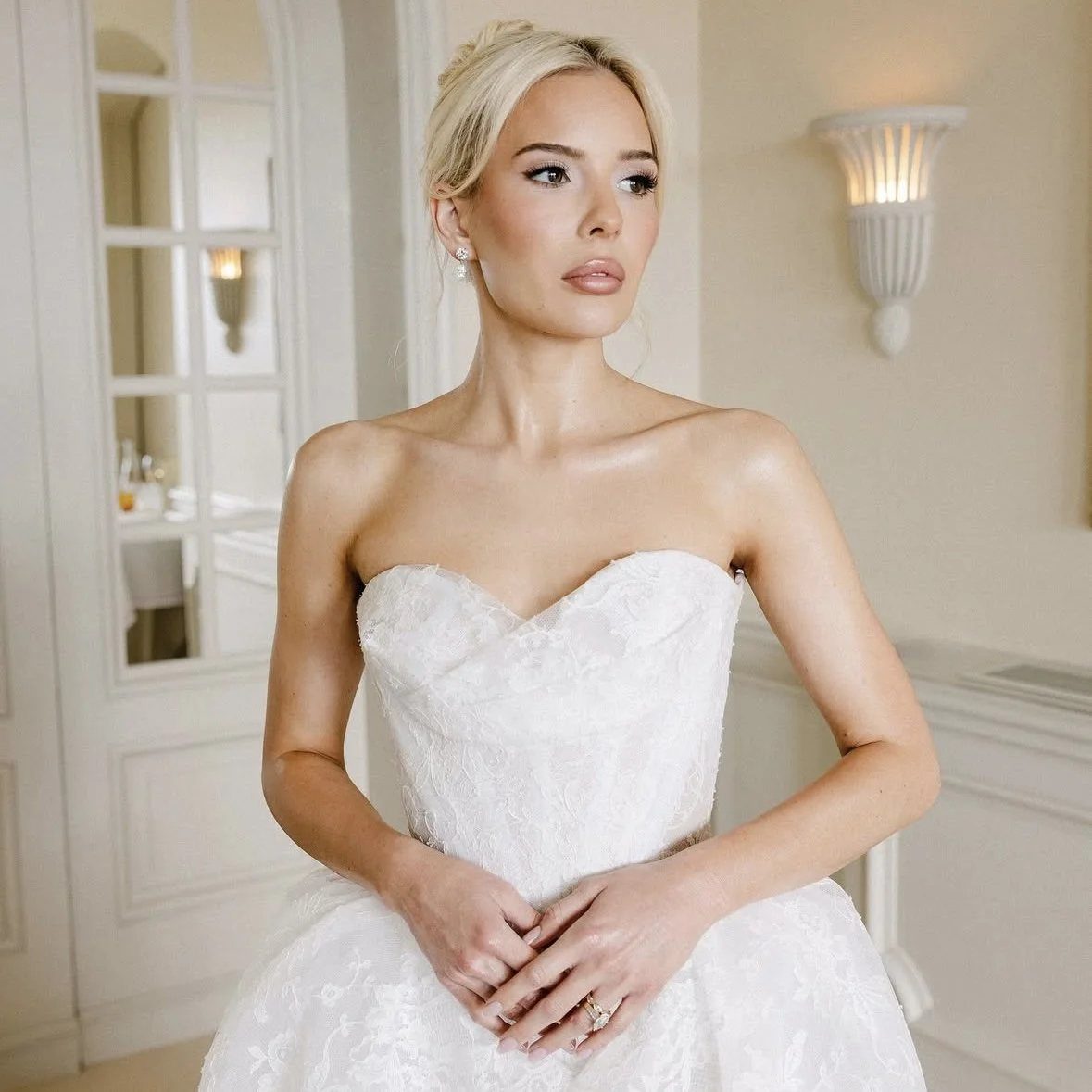
Most women, when they imagine their wedding day, picture nothing less than perfection.
The sun is shining. The flowers have arrived exactly as envisioned. The dress fits beautifully. Everyone is smiling, relaxed, and soaking up every moment of the celebration.
A wedding day like that is absolutely possible. But the reality is that it requires preparation, organisation, and thoughtful attention to detail behind the scenes. It doesn't simply happen by chance.
After working as a bridal stylist and dresser for destination weddings across France and Europe for more than ten years, I can tell you that most wardrobe disasters are entirely preventable. The brides who appear effortlessly composed on their wedding day are rarely relying on luck. Instead, they have taken the time to prepare properly long before they walk down the aisle.
While there is very little you can do to control the weather, there is a great deal you can do to ensure your wedding wardrobe performs exactly as it should.
The last thing you want is for your wedding planner, family members, bridesmaids, or photographer to be scrambling around moments before the ceremony trying to solve a dress-related issue that could have been identified weeks earlier.
Whether you're planning a château wedding in France, an intimate London celebration, or a destination wedding in Italy, these simple checks can save you unnecessary stress and help ensure you feel confident, comfortable, and elegant throughout the day.
Here are my five top tips to avoid a wardrobe disaster on your wedding day.
1. Try On Your Wedding Shoes Before Your Final Dress Fitting
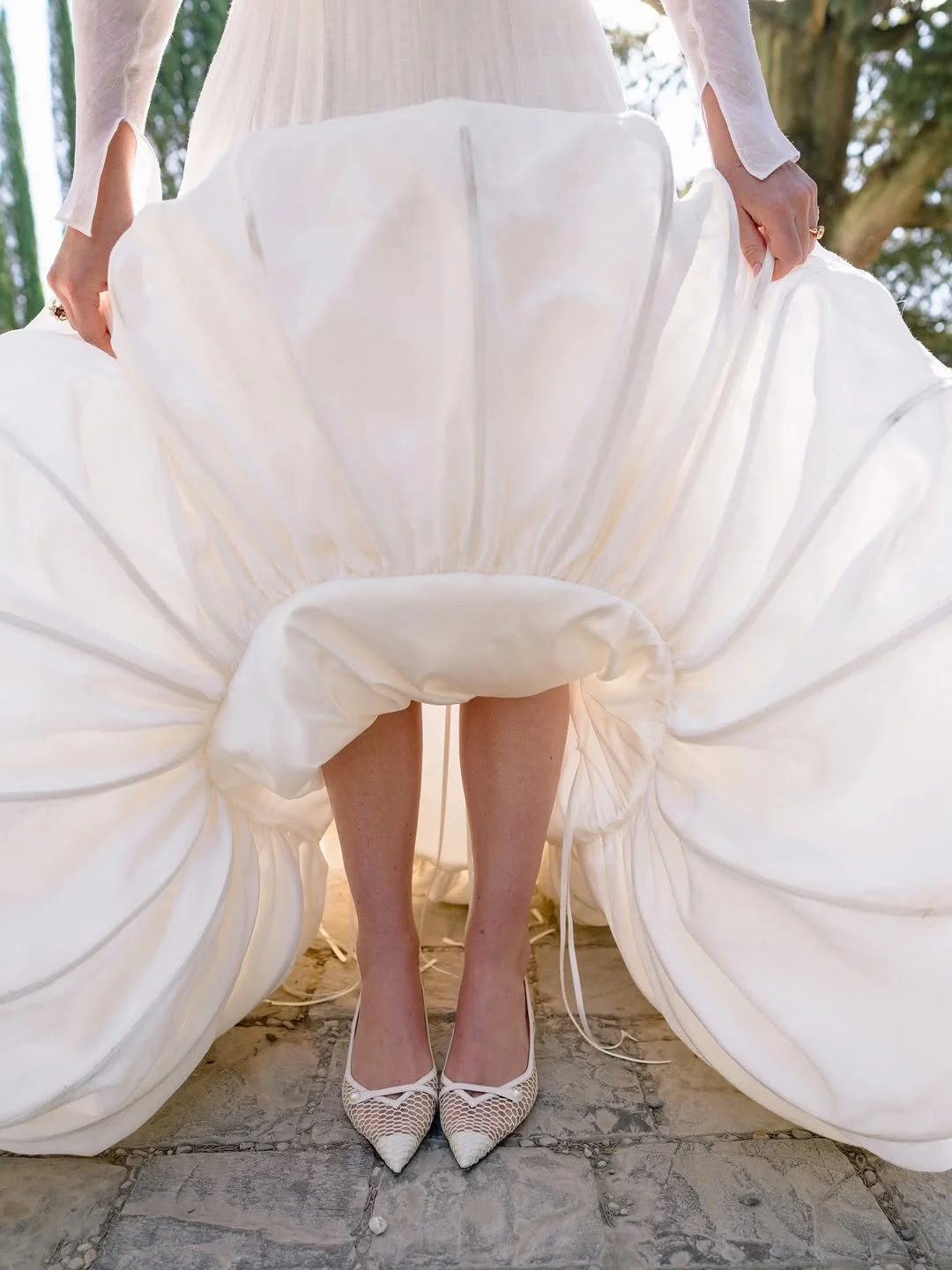
This may seem obvious, but it is one of the most common mistakes I see brides make.
Many brides attend their wedding dress fittings wearing different shoes from those they intend to wear on the wedding day. Sometimes the wedding shoes have not yet arrived. Sometimes they're being "saved" for the big day.
Unfortunately, even a small difference in heel height can dramatically affect the way your gown sits.
As you walk down the aisle, you'll likely be holding your bouquet in one hand and your partner's hand in the other. You won't have a free hand available to continuously lift or adjust your skirt.
If your hem is even slightly too long, you risk stepping on it throughout the day. Not only can this create a tripping hazard, but it can also cause damage to delicate fabrics and lace.
Your gown should be tailored precisely to the height of the shoes you intend to wear.
If you're planning to change shoes during the evening, perhaps switching from heels into flats for dancing, discuss this with your seamstress during your final fitting. There are often ways to accommodate both options.
A beautifully altered hem should allow you to move comfortably and confidently throughout the day without constantly thinking about your dress.
2. Wear Your Actual Undergarments to Every Fitting
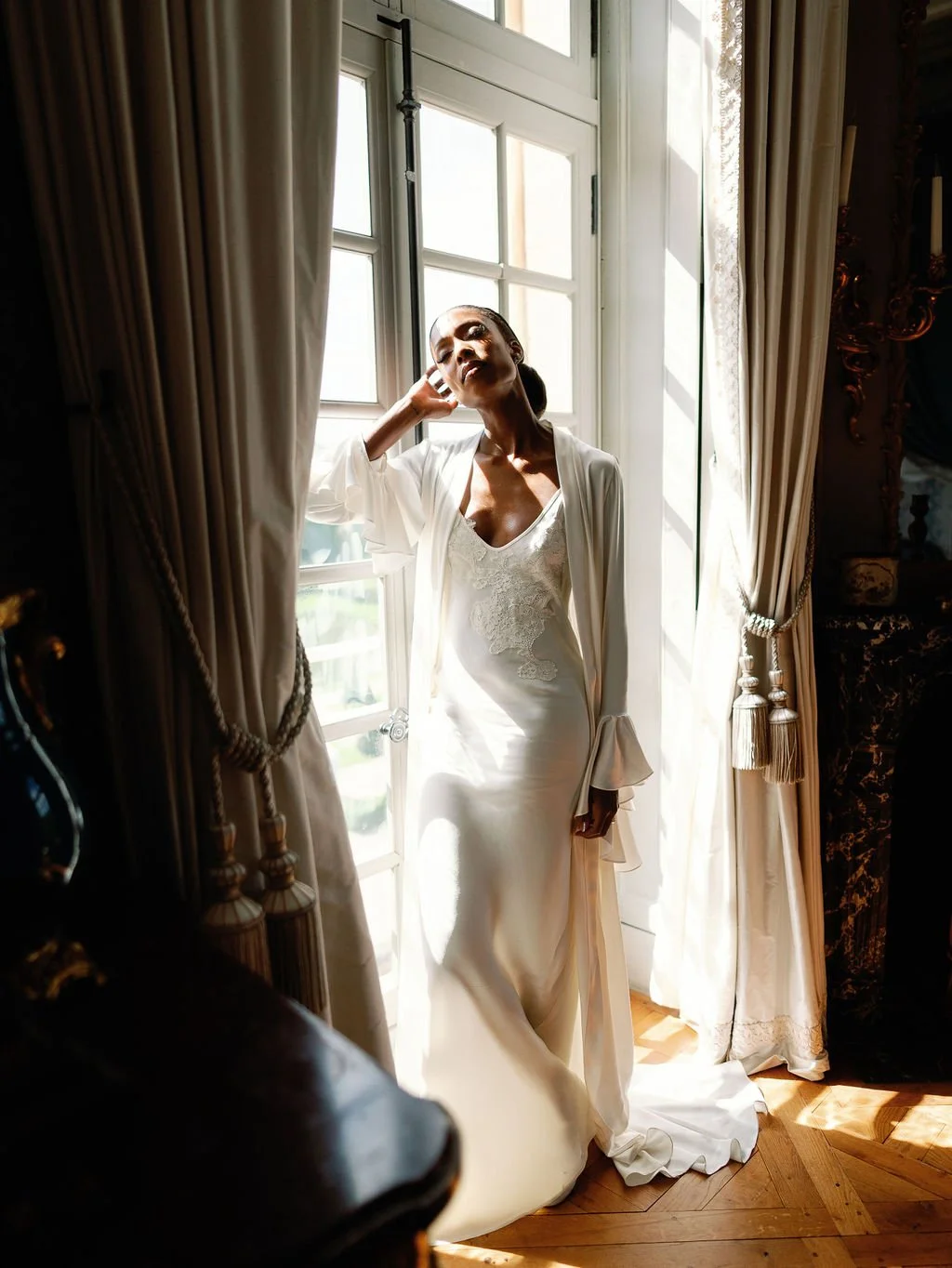
Your wedding dress is designed to fit your body as it will appear on your wedding day, not as it appears in your everyday underwear.
If you plan to wear shapewear, a specific bra, adhesive cups, or any other undergarments, bring them to every fitting appointment.
Even subtle changes can alter the fit of a gown significantly.
Shapewear can affect the waistline, hip measurements, and the way a dress sits through the torso. Different bras can influence the neckline, bust shape, and overall silhouette.
I've seen brides invest thousands in a beautiful gown, only to discover at the last moment that their chosen undergarments create visible lines or alter the fit unexpectedly.
In addition to trying everything on together, ask a trusted friend, family member, or your seamstress to check for:
Visible bra straps
Visible panty lines (VPL)
Gaping necklines
Undergarments showing through sheer fabrics
Discomfort when moving or sitting
And don't forget about your second or third looks.
If you're changing into a reception dress, after-party outfit, or farewell brunch look, make sure you have considered the correct undergarments for those outfits as well.
The goal is for every layer of your wardrobe to work together seamlessly.
3. Practice Sitting Down in Your Wedding Dress
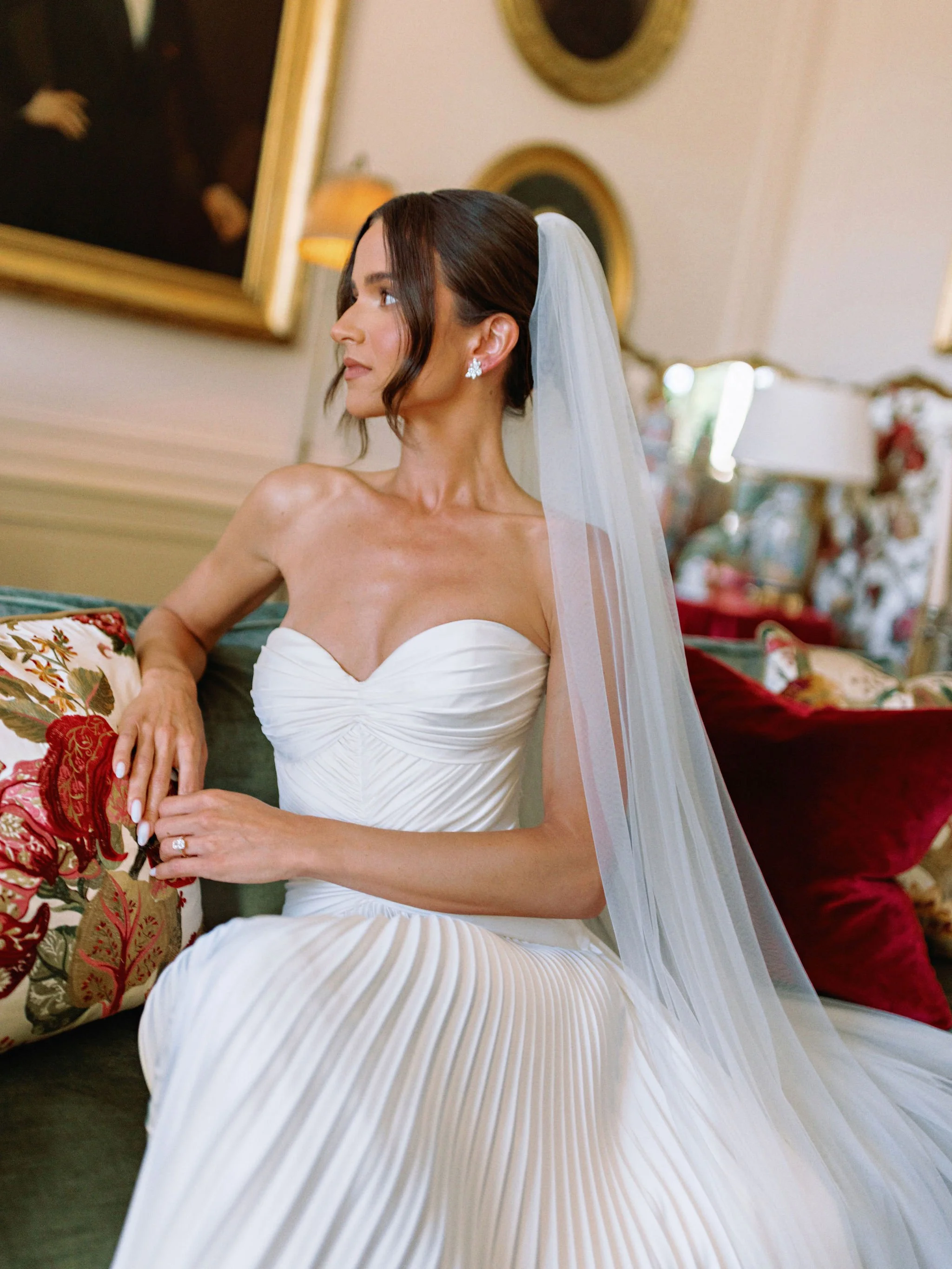
Most brides spend plenty of time admiring themselves standing in front of a mirror during fittings.
Far fewer spend time sitting down.
Yet on your wedding day, you'll likely spend hours seated during meals, speeches, transportation, and various moments throughout the celebration.
One of my favourite tests is what I call "the sofa test."
During a fitting appointment, ask if you can sit on a low chair or sofa while wearing your gown. Then practise standing back up gracefully.
This simple exercise can reveal a surprising number of issues.
You may discover:
The skirt is more restrictive than expected
The corset feels uncomfortable when seated
The fabric creases heavily
The train becomes difficult to manage
The dress shifts in unexpected ways
It is far better to identify these challenges during a fitting than during your wedding breakfast in front of one hundred guests.
Remember, elegance is not just about how your gown looks in photographs. It is also about how comfortably you can live in it throughout the day.
A wedding dress should support you, not restrict you.
4. Dance in Your Dress Before the Wedding Day
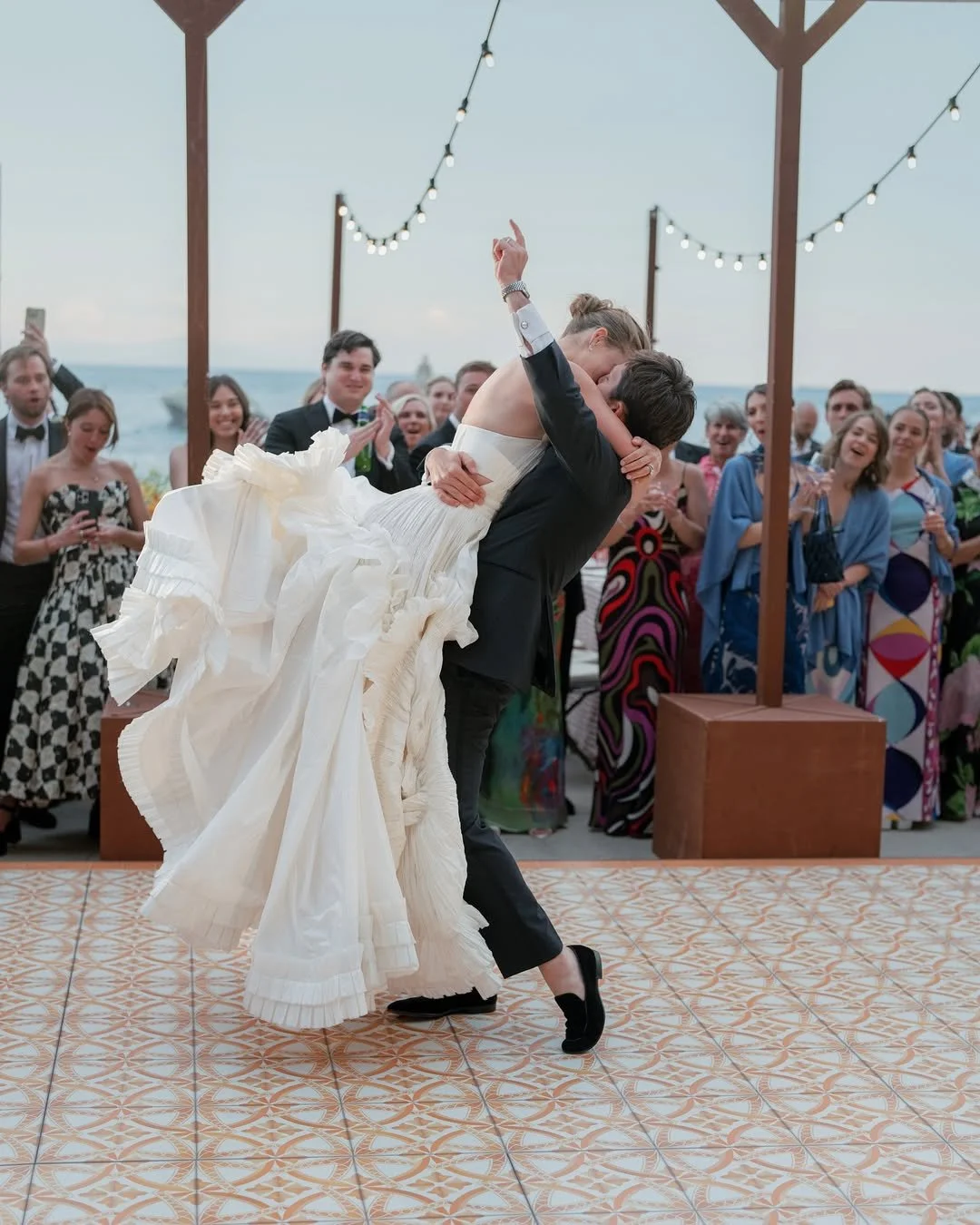
Your wedding gown needs to perform for far more than just the ceremony.
While many brides focus heavily on how their dress looks walking down the aisle, they often forget about the realities of the reception.
You'll be hugging guests, climbing stairs, dancing, raising your arms, spinning around, and celebrating for hours.
If you have chosen not to change into a second dress for the evening, your ceremony gown needs to be capable of doing all of those things with you.
During a fitting, don't be afraid to move.
Walk.
Turn.
Lift your arms.
Twist.
Dance.
Grab your maid of honour, put on your favourite song, and have a little dance around the bridal boutique.
It might feel slightly silly at the time, but it can reveal important issues such as:
Straps slipping
Necklines shifting
Bodices moving
Bustles coming undone
Skirts catching underfoot
A wedding dress should remain secure and beautiful from your first photograph of the morning until the final song of the evening.
Testing it in motion is one of the simplest ways to ensure that happens.
5. Practise the Wedding Dip
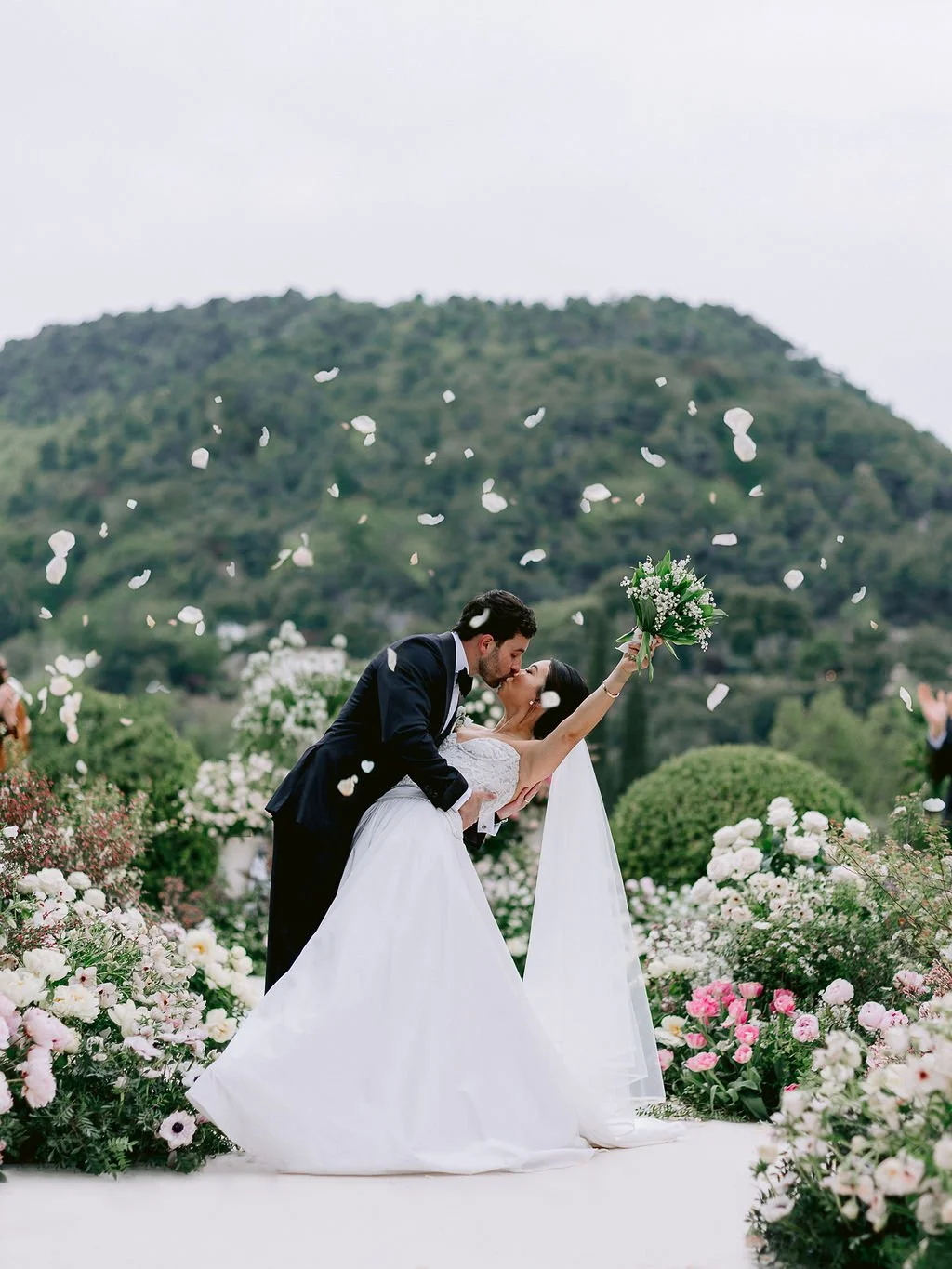
Every year, photographers capture hundreds of romantic "dip and kiss" moments.
They look effortless.
But in reality, most couples have never actually practised them.
A dramatic dip can be stunning in photographs, but it can also reveal more of your gown, underwear, or body than you intended if you're not prepared.
The last thing you want is an unexpected wardrobe mishap appearing permanently in your wedding album.
During your final fitting, take a moment to practise.
Have someone support you while you:
Lean backwards
Turn slightly
Lift your bouquet
Test different angles
This is especially important if your gown has:
A plunging neckline
Low back details
A strapless bodice
A fitted corset
By practising beforehand, you'll gain confidence and discover how your dress behaves during movement.
Your photographer will thank you, and your final images will feel far more natural and polished.
A Final Thought from a Bridal Stylist
One of the greatest misconceptions about wedding wardrobes is that beautiful gowns simply work perfectly on their own.
The truth is that every flawless bridal look is supported by preparation.
The most elegant brides are rarely the ones with the most expensive gowns. More often, they are the brides who took the time to understand how their dress moves, fits, and functions long before the wedding day arrives.
As a bridal stylist and dresser, I spend much of a wedding morning helping brides into gowns, steaming fabrics, fastening intricate closures, adjusting veils, securing trains, and solving small issues before they become major problems.
What appears effortless on the surface is often the result of careful planning behind the scenes.
Your wedding day should be spent celebrating with the people you love, not worrying about slipping straps, uncomfortable shapewear, or tripping over your hem.
By taking the time to test your shoes, undergarments, seating, dancing, and movement in advance, you'll give yourself the best possible chance of enjoying a smooth, relaxed, and memorable wedding day.
And that confidence will shine through in every photograph.