Italian vs French vs British Style: How Culture Shapes the Way We Dress
I have been living in France for more than eleven years now, although I still return to the UK from time to time.
On one particular visit, a friend looked at me and exclaimed, “You look so French now!”
She wasn’t commenting on my accent. She was talking about the way I was dressed.
When I looked down at what I had chosen to wear, she was probably correct. But here is the interesting part: everything I was wearing had been bought in high street stores that exist in the UK as well. There was nothing exclusively Parisian or French about the brands.
What had changed was not access. It was instinct.
Somewhere along the way, I had subconsciously begun leaning toward more French silhouettes. I was styling pieces in a French way rather than a British way. The same shops. The same rails. Entirely different outcome.
That is when I truly understood that personal style is cultural before it is aesthetic.
And when you are planning a destination wedding in Europe, this matters more than you might think.
Because choosing to marry in Italy, France or the United Kingdom is not simply a logistical decision. It is a stylistic one. You are choosing an atmosphere. A mood. A visual language.
And whether consciously or not, your wardrobe will respond to it.
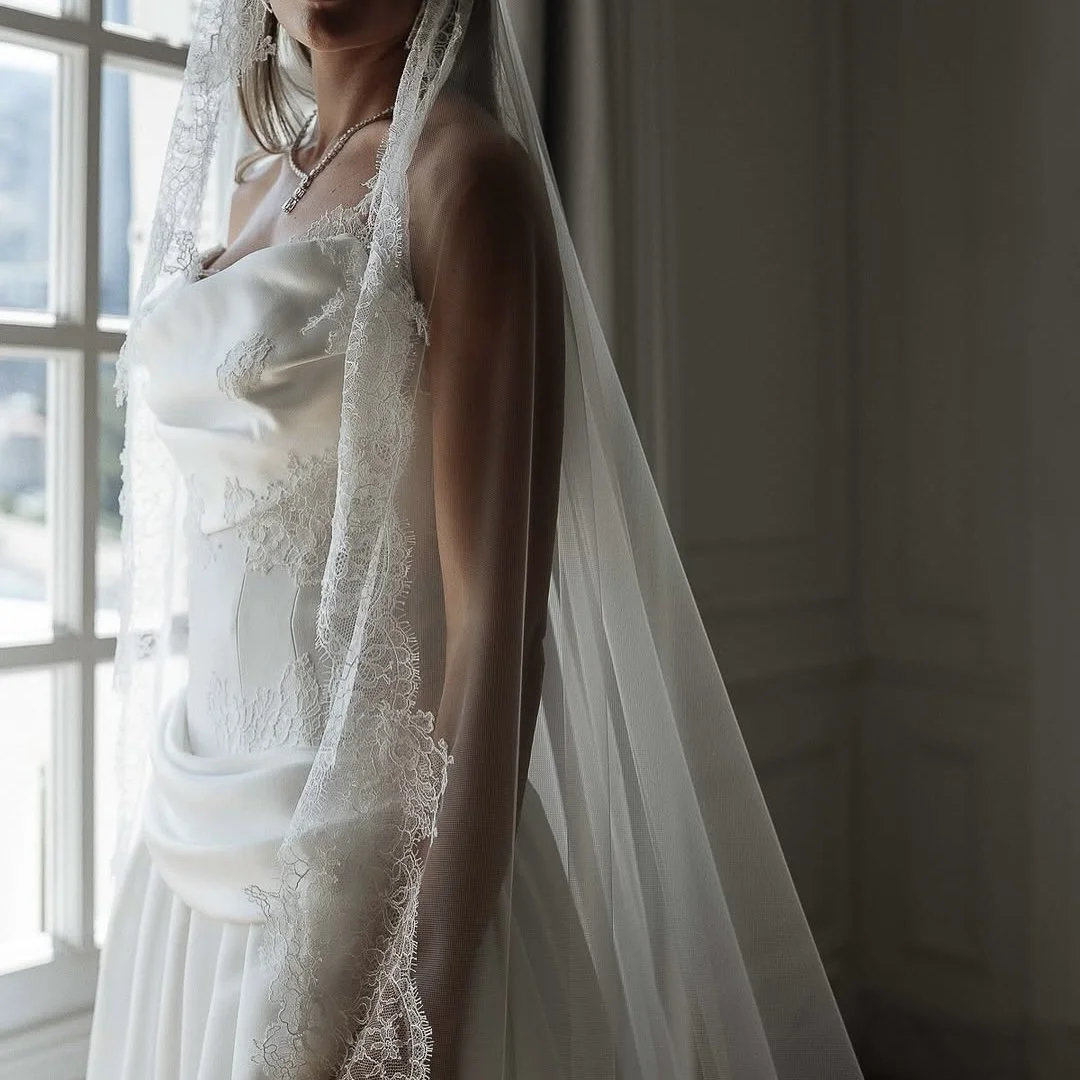
The Language of European Style
When American brides begin planning a destination wedding in Italy, France or the UK, they are often drawn to the architecture, the food, the romance, the history.
But what they are also responding to is identity.
Italian style, French style and British style are not just fashion trends. They are reflections of national character. Each carries its own relationship to confidence, elegance, restraint and celebration.
Understanding these subtle differences can transform the way you approach your bridal wardrobe.
Let’s begin in Italy.
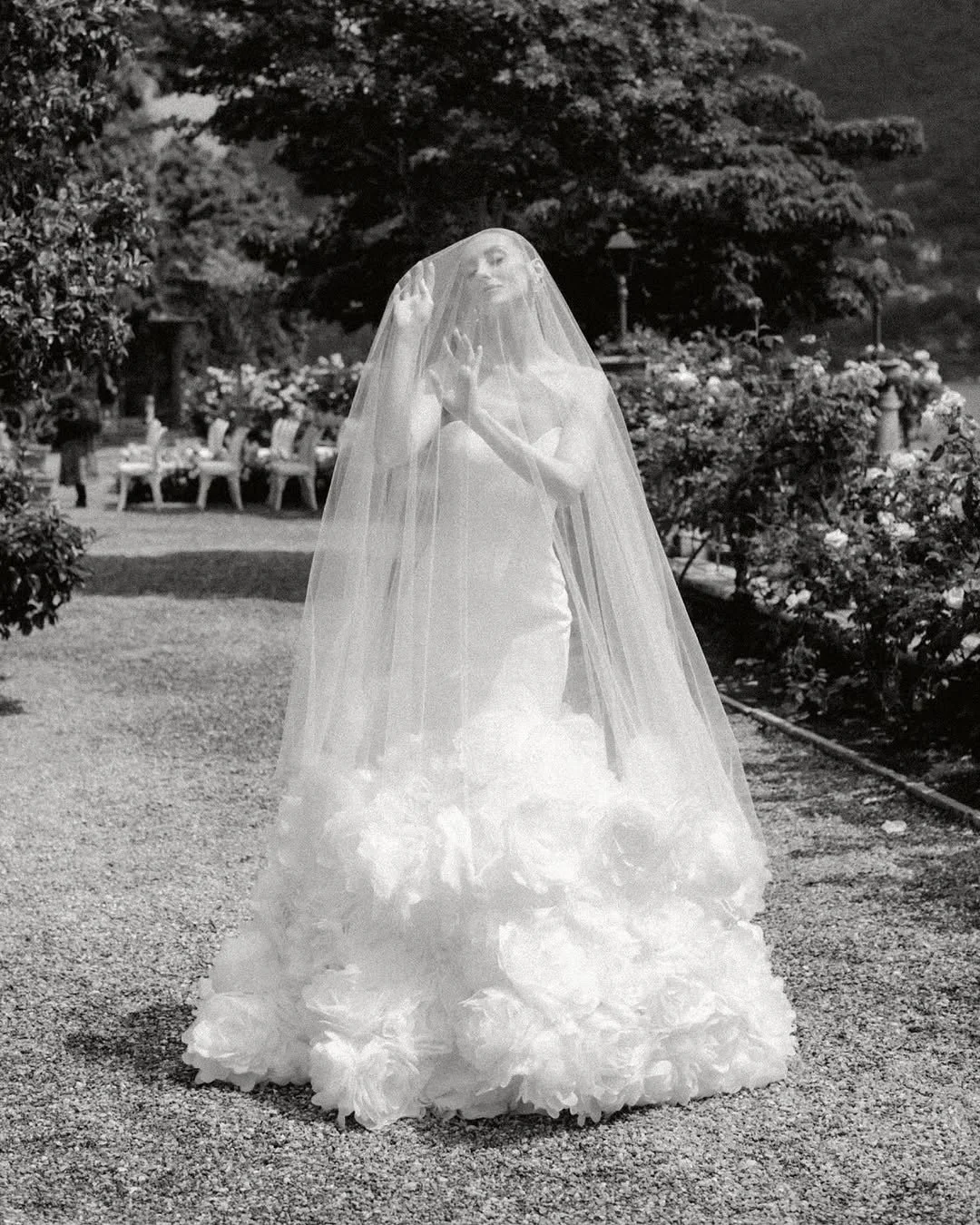
Italian Style: Drama, Confidence and Celebration
If French style whispers and British style nods politely, Italian style takes your face gently in its hands and says, “Look at you.”
Italian fashion is expressive. It is sensual. It delights in being seen.
And perhaps nowhere is this more evident than in the way Italians openly acknowledge beauty.
I challenge you to walk down a street in Italy without hearing someone call out, “Ciao bella!” or “Bella donna!”
This is not the sharp, uncomfortable cat-call energy one might imagine elsewhere. It is something altogether different. It is cultural. It is generous. It is joyful.
Beauty, in Italy, is noticed loudly.
I remember being in Venice with my husband when men were quite literally stopping him to say, “You have a beautiful wife!”
I do not believe I was any more lovely that day than I had been the day before while in France. My dress was simple. My hair unchanged. The difference was not me.
It was Italy.
Italian men, and Italian culture more broadly, delight in acknowledging beauty openly. It is part of the rhythm of the place. Compliments are not rationed. They are abundant.
That spirit flows directly into Italian style.
Italian dressing embraces:
Structured silhouettes
Visible craftsmanship
Lace, embellishment and embroidery
Bold colour
Luxurious texture
Jewellery that catches the light
There is nothing apologetic about it. Italian style understands that elegance can be exuberant.
It says, quite confidently, “Yes, I look beautiful. Thank you for noticing.”
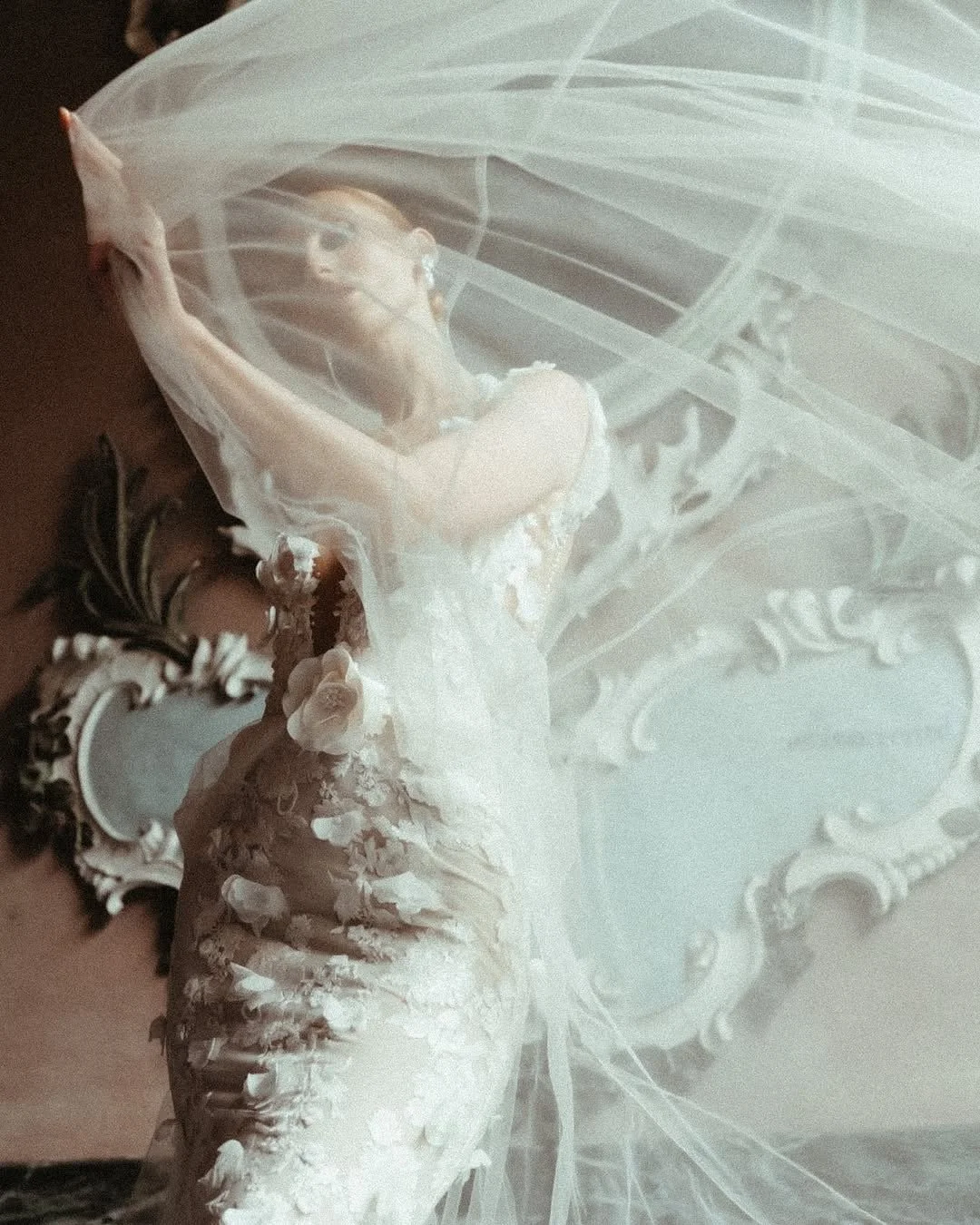
The Italian Bridal Aesthetic
For brides planning a wedding in Lake Como, Tuscany or along the Amalfi Coast, this cultural warmth matters.
Italy does not do minimalism in quite the same way France does. Even simplicity carries a certain richness.
An Italian-style bride often leans toward:
Sculpted corsetry
Intricate lace or appliqué
Dramatic veils that move in cathedral light
Jewellery with presence
A second or third look for the evening
A sense of occasion that builds throughout the day
Because in Italy, weddings are not subdued affairs. They are celebrations.
There is music. There is volume. There is laughter that carries across courtyards.
And the bride is not meant to disappear into that energy.
She is meant to be admired within it.
When styling brides marrying in Italy, we often speak about presence. How the gown will move through an arched doorway. How it will photograph against frescoed walls. How it will feel under golden evening light.
Italian bridal style is not about excess for the sake of it. It is about honouring the environment’s appetite for beauty.
Just as strangers in Venice felt entirely comfortable praising my appearance out loud, Italian architecture and culture feel entirely comfortable celebrating a bride in all her splendour.
In Italy, beauty is not whispered about.
It is applauded.
And for the right bride, that feels utterly exhilarating.
French Style: Effortless, Intelligent, Slightly Unreachable
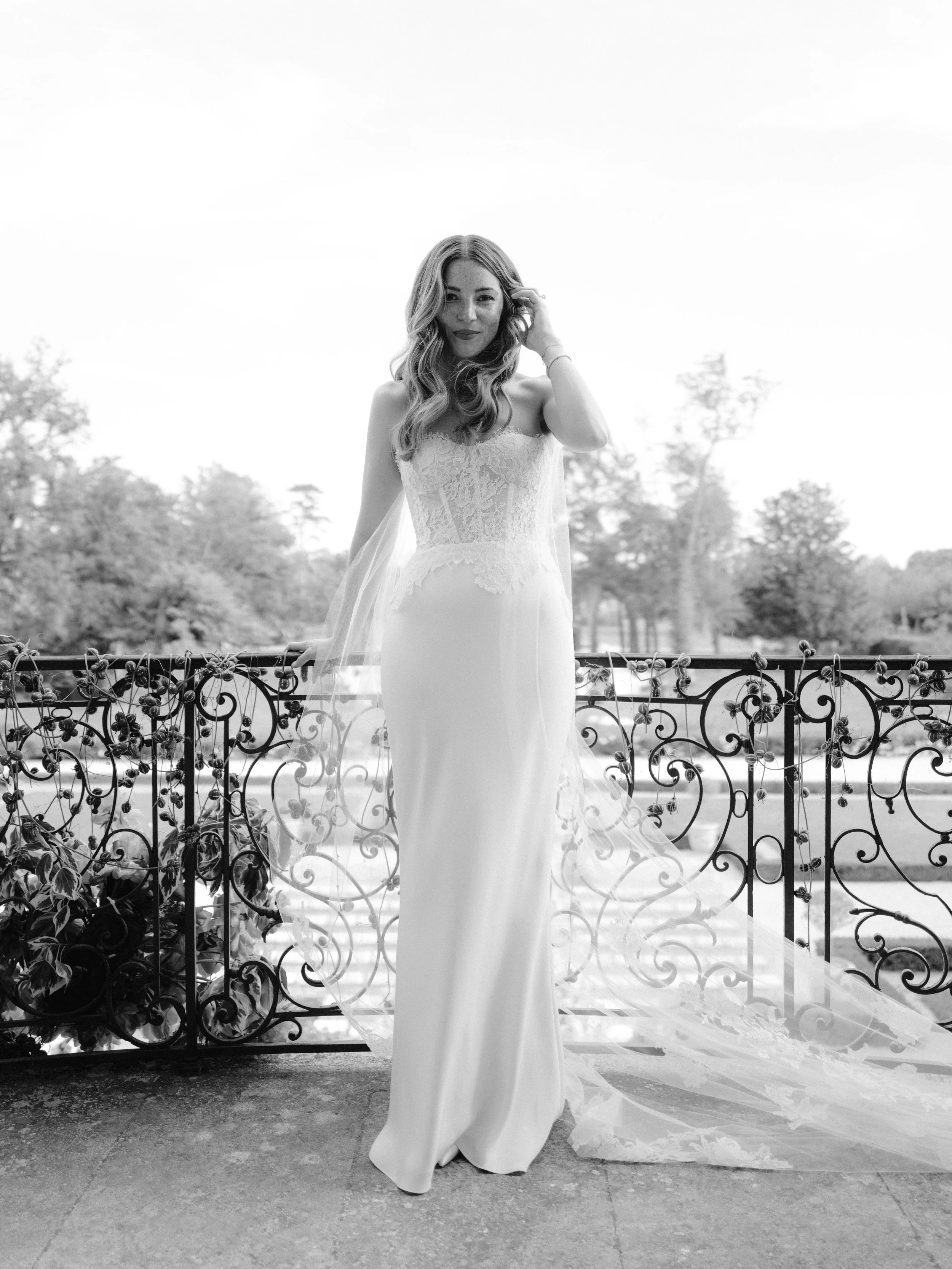
French style is altogether different.
It does not seek applause. It expects admiration.
There is a precision to French dressing that often goes unnoticed at first glance. Silhouettes appear simple, yet they are impeccably cut. Fabrics feel understated, yet they are exquisite.
The French relationship with fashion is deeply tied to heritage maisons, tailoring and the art of allure. The goal is not to appear extravagant. It is to appear effortless.
French style embraces:
Clean lines
Bias cuts
Silk crepe and satin
Neutral palettes
Perfect tailoring
Minimal yet deliberate accessories
There is also a quiet confidence at play. French dressing suggests that elegance is assumed, not performed.
The French Bridal Aesthetic
For brides marrying in Provence, Paris or along the Côte d’Azur, this often translates into:
Streamlined gowns with beautiful drape
Little to no embellishment
Perfectly tailored simplicity
Glowing skin and softly styled hair
Jewellery that feels personal rather than showy
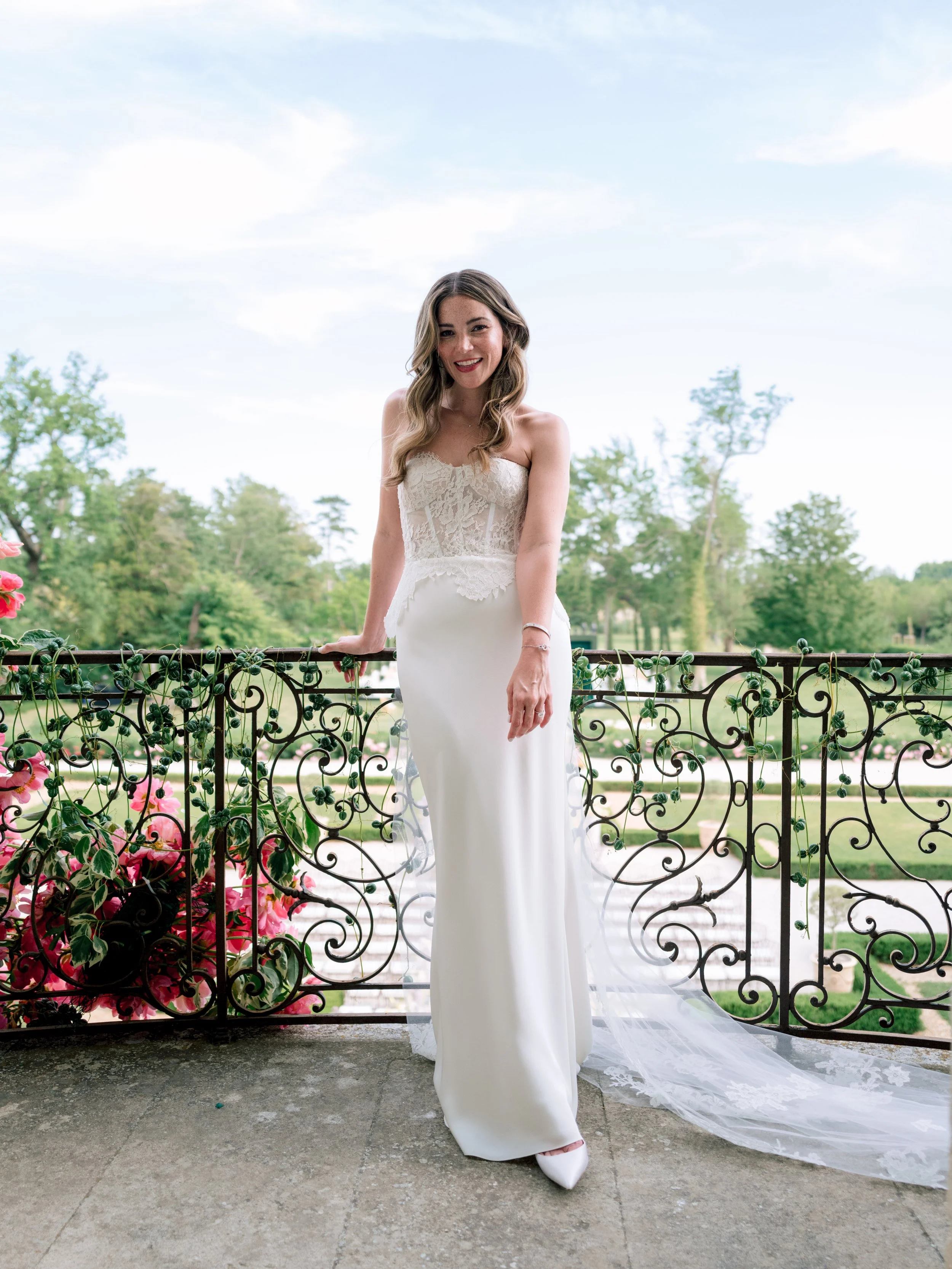
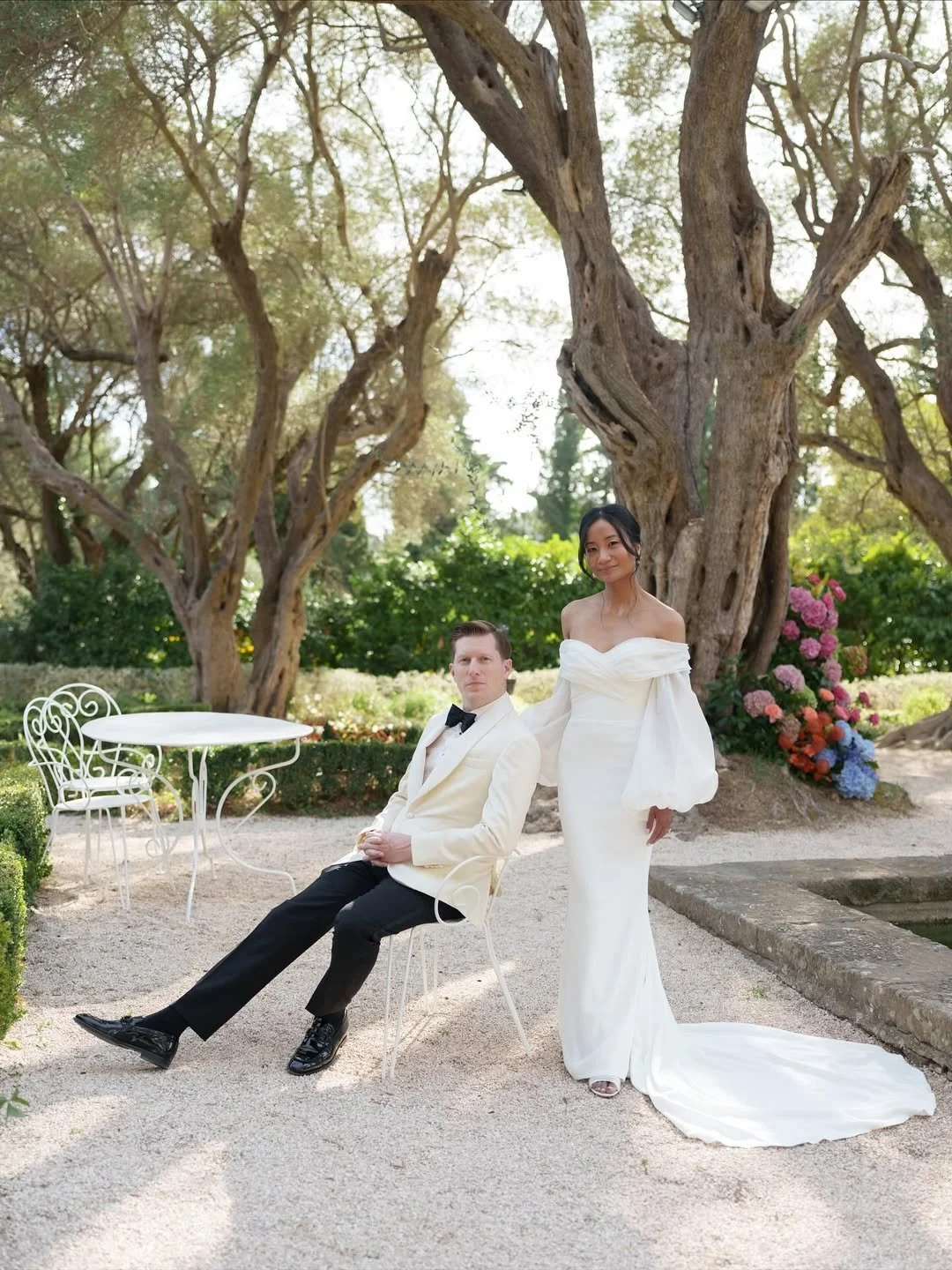
A French-style bride does not need spectacle. She embodies restraint.
And in a château or an intimate vineyard setting, that subtle elegance feels entirely appropriate.
If you are drawn to refinement without overt display, you may be more Paris than Milan.
British Style: Considered, Structured, Refined
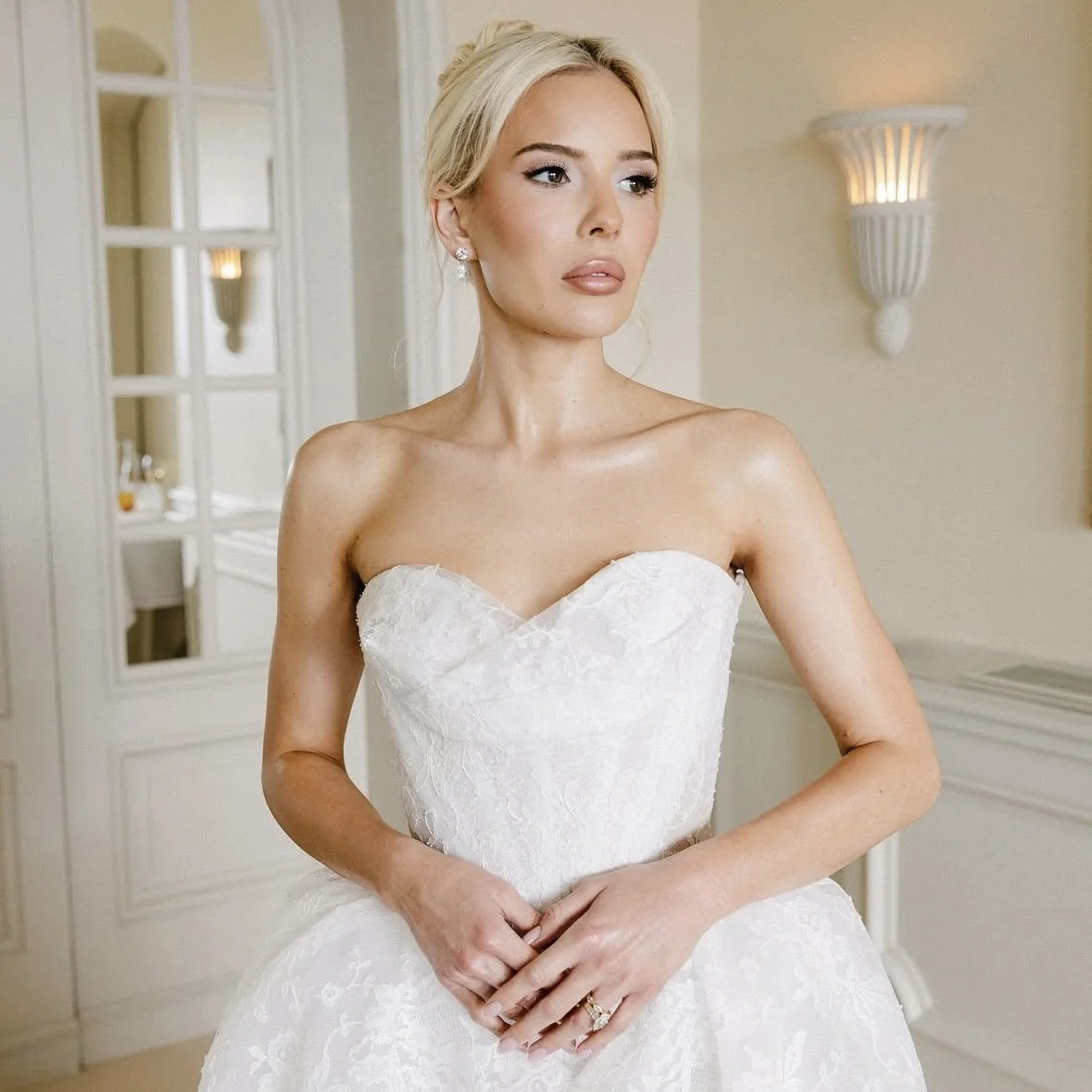
British style is perhaps the most misunderstood of the three.
It is not dull. It is deliberate.
There is a long tradition of tailoring in the United Kingdom, from Savile Row to royal ceremonial dress. British fashion has always valued structure, heritage and subtlety.
Rather than announce itself, it reveals itself slowly.
British style embraces:
Tailored construction
Structured bodices
Long sleeves
Subtle detailing
Understatement as sophistication
A certain composure
It is less about seduction and more about poise.
The British Bridal Aesthetic
For brides marrying in London, Oxfordshire or at an English country estate, this often translates into:
Structured silhouettes
Elegant trains
Traditional veils
Covered shoulders or sleeves
Timeless fabrics such as mikado or silk faille
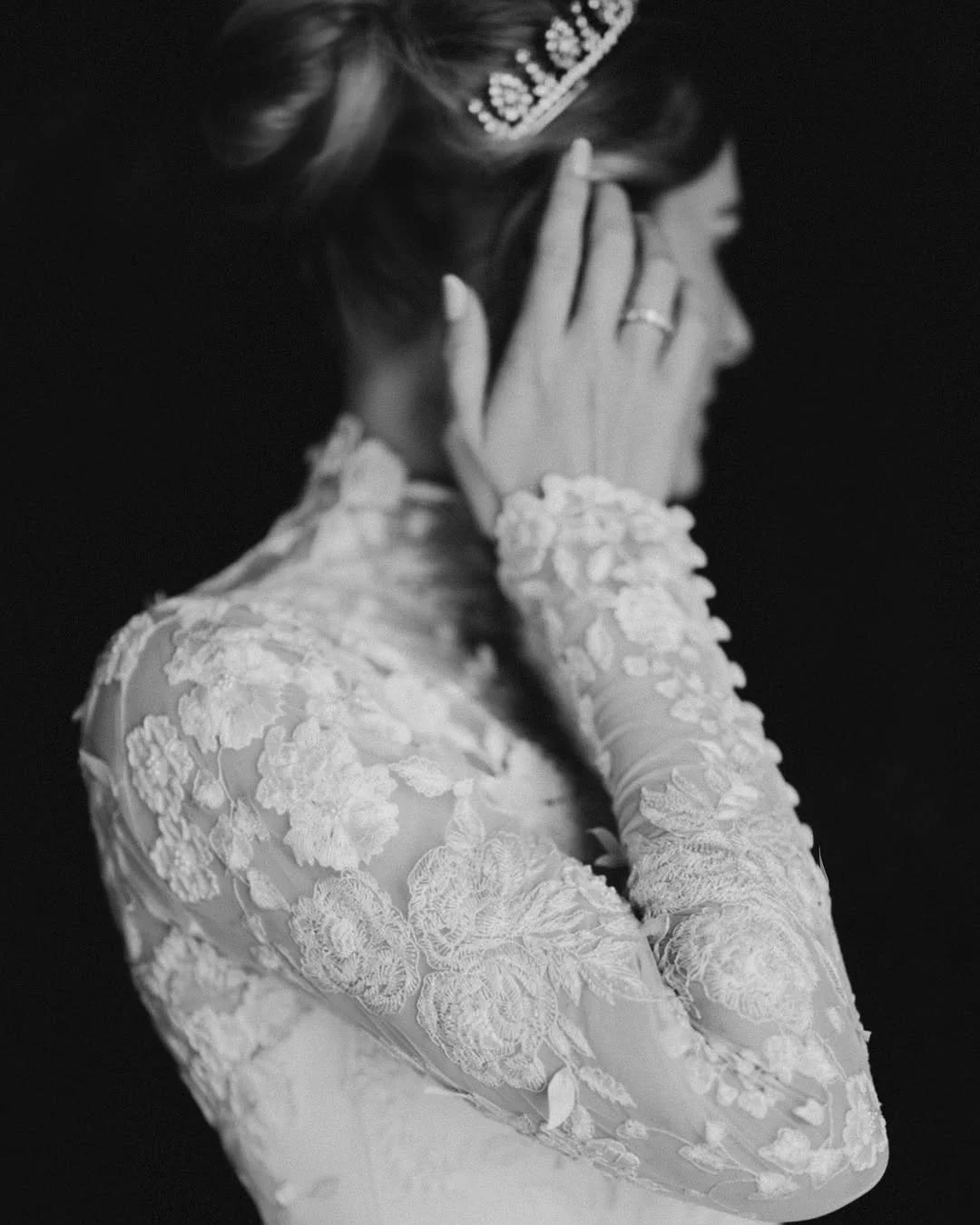
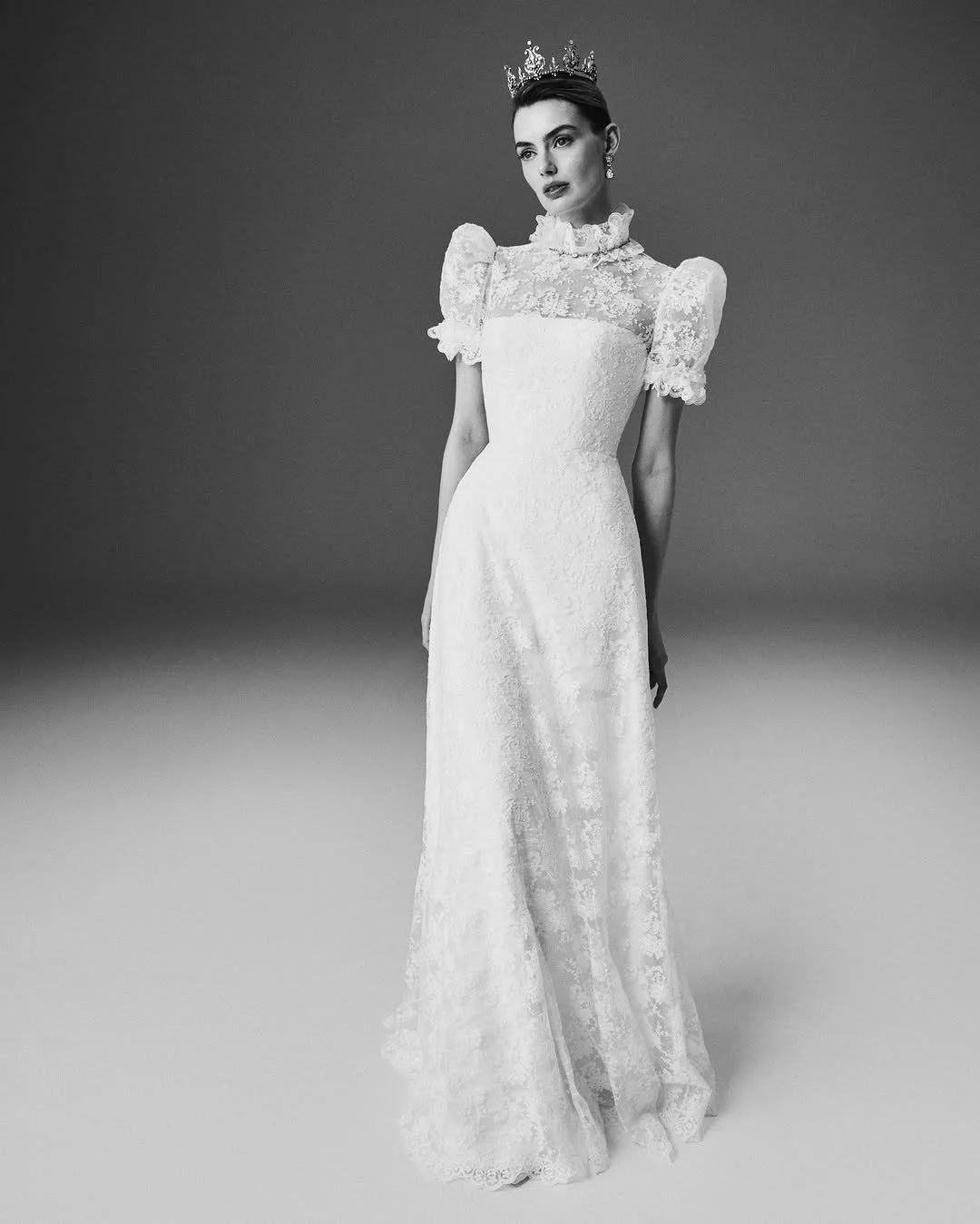
A British-style bride does not shout for attention. She commands respect quietly.
And within the context of historic estates or cathedral ceremonies, that refinement feels perfectly aligned.
If you are drawn to heritage, composure and elegance that does not chase trends, you may lean toward Britain.
What This Means for a Destination Wedding in Europe
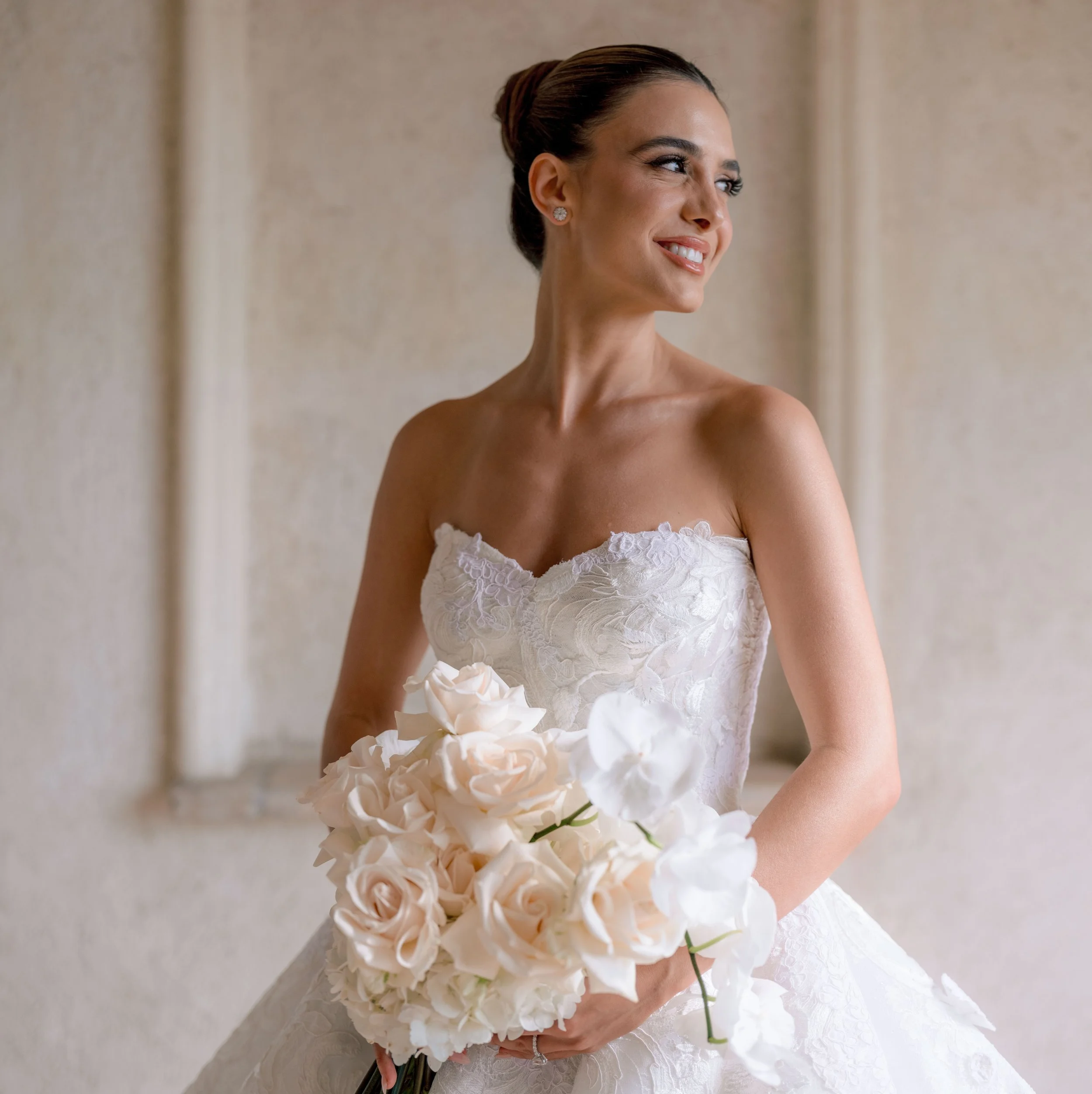
When I work with American brides planning luxury destination weddings in Italy or France, one of the first conversations we have is not about trends.
It is about atmosphere.
The architecture of Lake Como demands something different from a Provençal vineyard. A Parisian hôtel particulier calls for a different silhouette than an English country manor.
Your dress does not exist in isolation. It interacts with stone, light, landscape and culture.
A heavily embellished gown in a minimalist French courtyard can feel discordant. A sleek crepe gown in an opulent Italian villa can feel slightly underpowered.
The key is not choosing the “best” style. It is choosing the aligned one.
This is where thoughtful bridal styling becomes essential. Not simply selecting a beautiful gown, but selecting the right expression of you within that setting.
Why Style Is Cultural (Even When You Don’t Realise It)
Returning to that moment with my friend in the UK, what fascinated me was how easily I had absorbed French sensibilities.
The stores were the same. The garments were technically the same. But the cut of the trousers I chose, the way I layered my blazer, the simplicity of the colour palette, all reflected the country I had been living in.
We are shaped by our surroundings.
And when you immerse yourself in the idea of marrying in Italy, France or Britain, you inevitably begin to absorb its aesthetic codes.
The question is whether you do so intentionally.
Italian vs French vs British Style: Which One Are You?
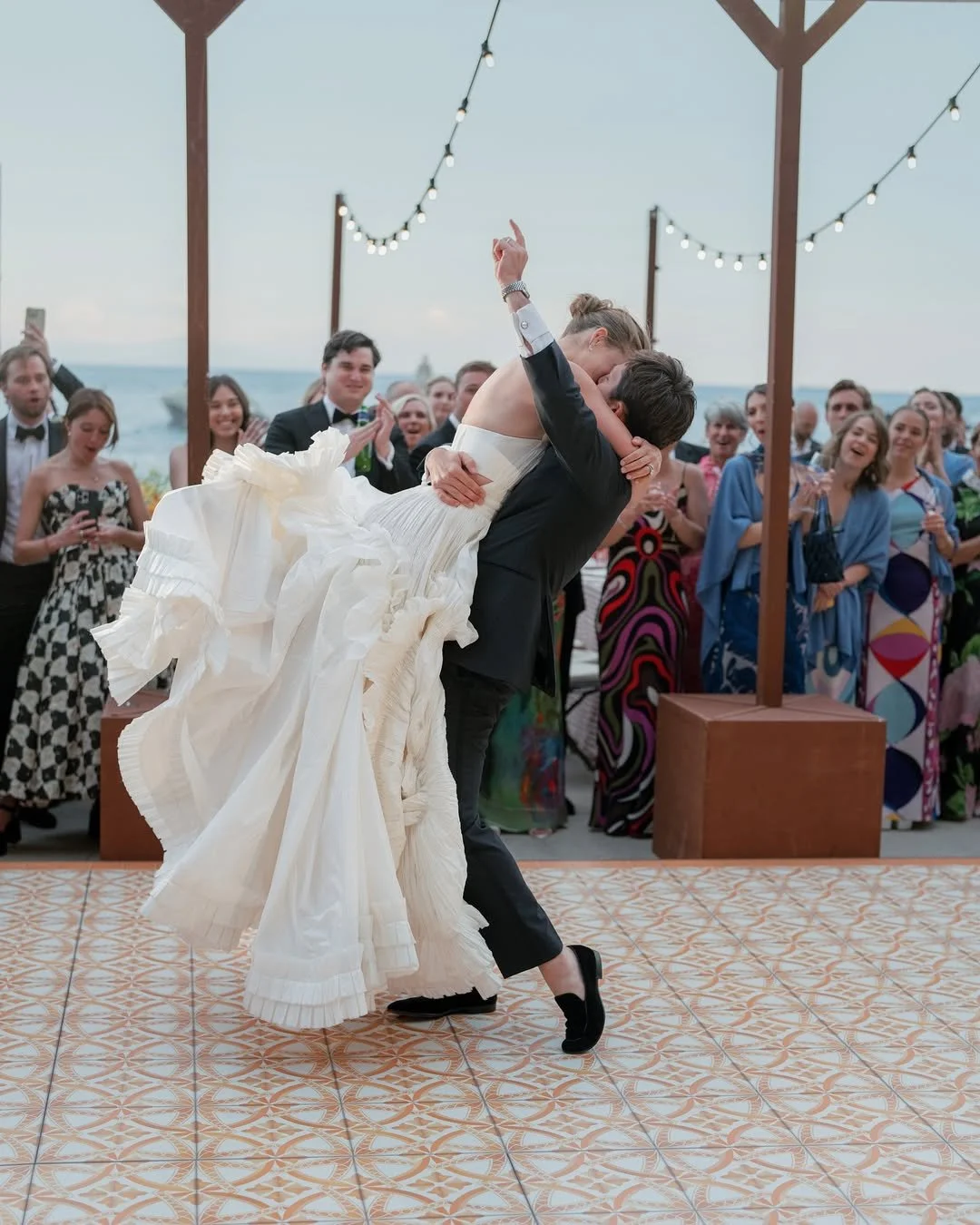
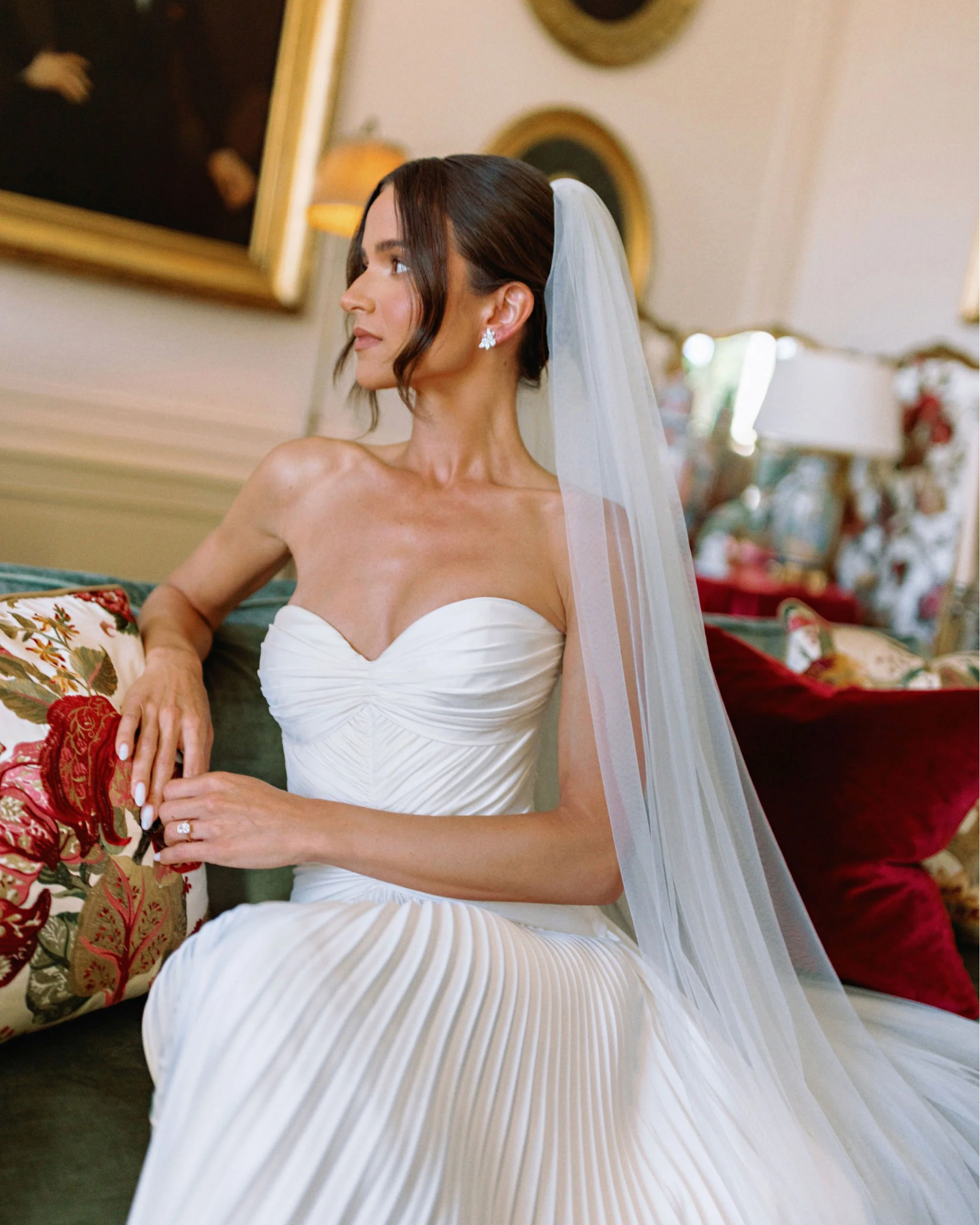
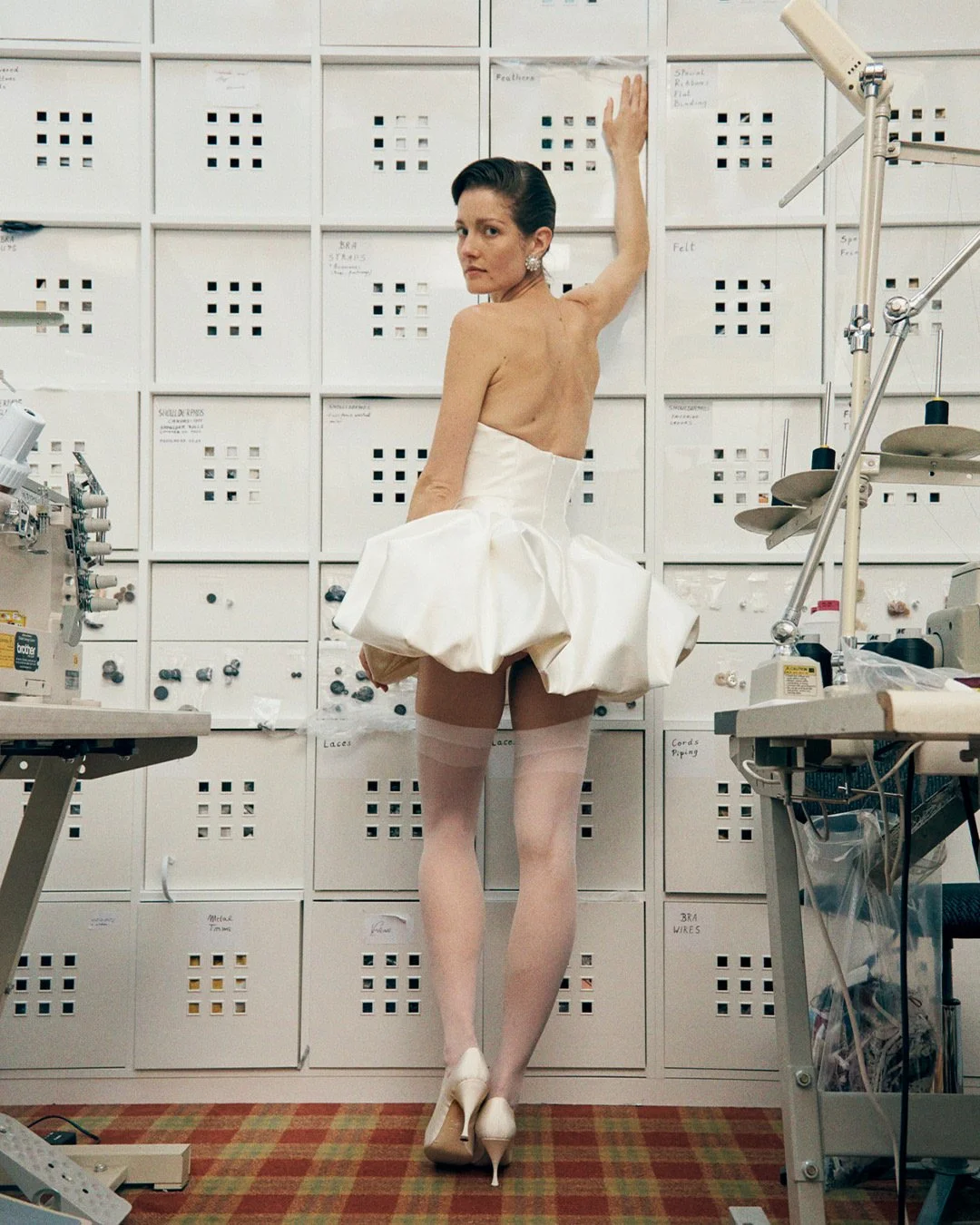
If you are currently planning a destination wedding in Europe, ask yourself:
Do you love drama, celebration and visible glamour?
Or are you drawn to restraint, simplicity and quiet elegance?
Or perhaps you favour structure, heritage and timeless composure?
There is no hierarchy here. Only alignment.
Some brides feel entirely themselves in sculpted lace beneath Italian sunshine.
Others feel most powerful in a perfectly cut satin column gown beneath French chandeliers.
And some feel utterly at ease in structured silk walking across the lawns of an English estate.
Understanding which language resonates with you allows your wardrobe to feel intentional rather than accidental.
The Role of a Bridal Stylist in Destination Weddings
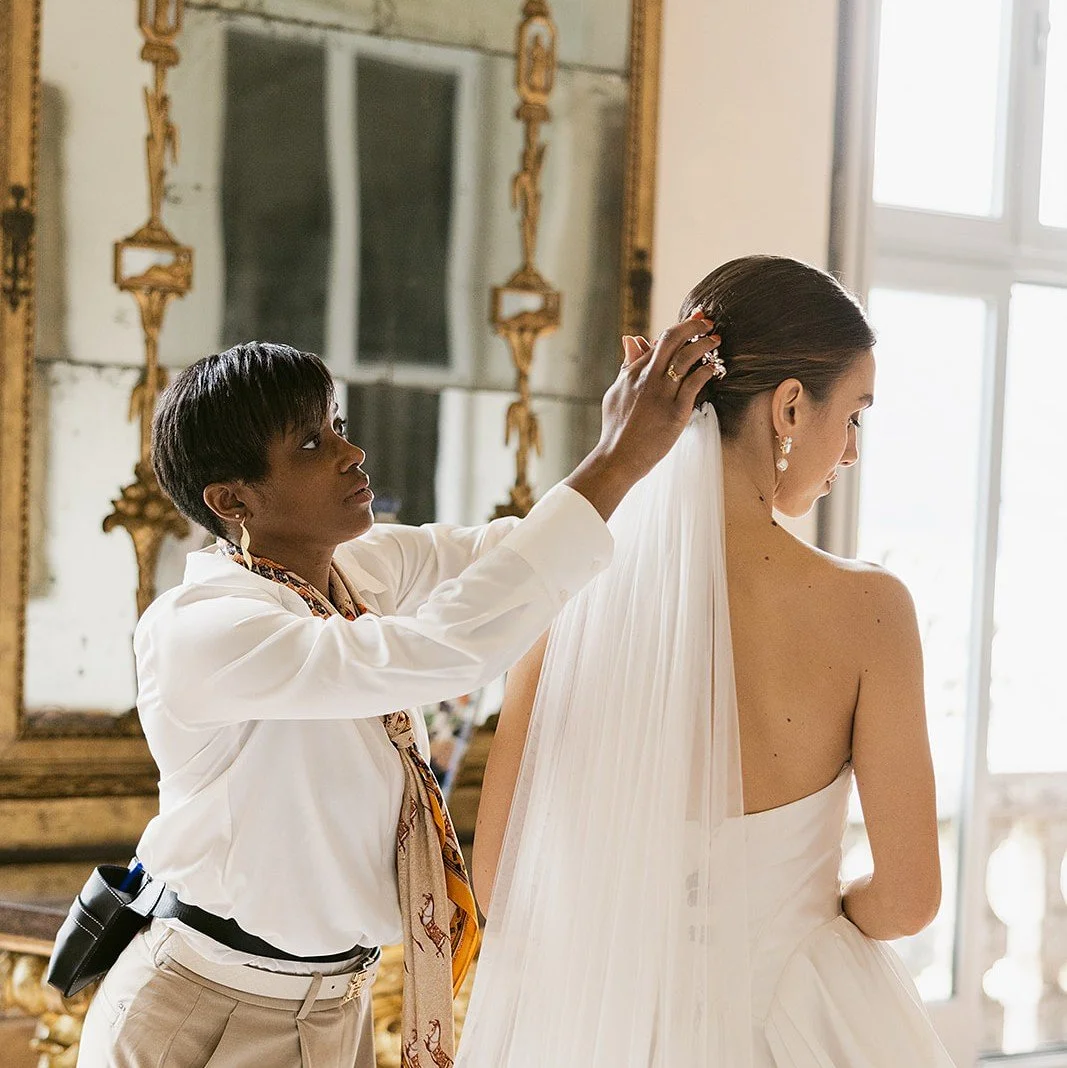
Styling a bride at Villa Balbiano, Lake Como, Italy
For brides planning luxury, elegant weddings in Europe, the wardrobe often extends beyond a single gown.
There may be:
A welcome dinner look
A ceremony gown
A reception transformation
A farewell brunch ensemble
Each moment offers an opportunity to reflect the cultural tone of your chosen country.
My role is to ensure that every look feels cohesive, elevated and entirely you, while also respecting the setting.
It is not about dressing as a stereotype of Italy, France or Britain. It is about understanding the emotional temperature of each place and dressing accordingly.
Final Thoughts: Style as Identity
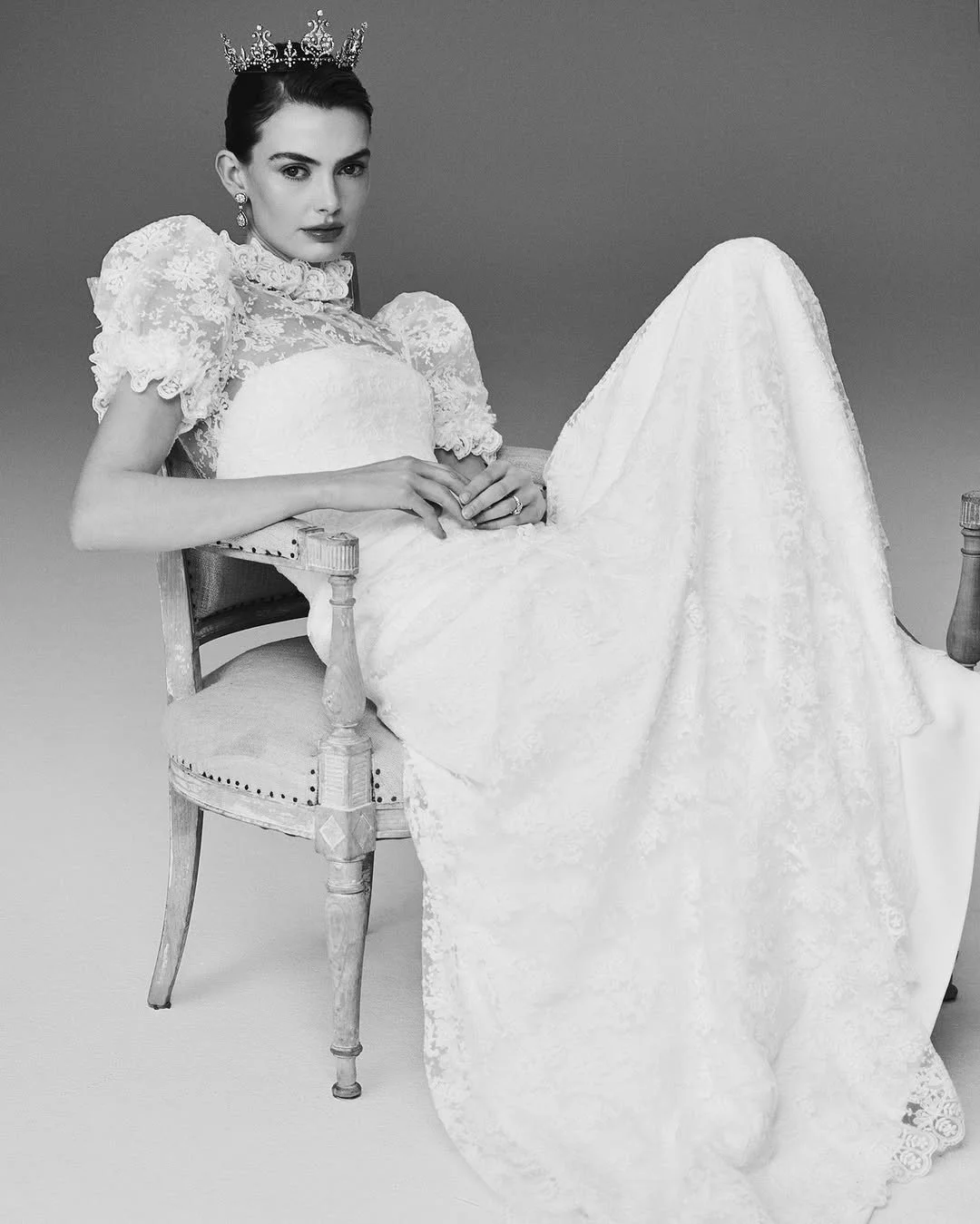
Italian style celebrates life openly.
French style refines it.
British style preserves it.
None is superior. Each is an expression of history, confidence and cultural nuance.
When you choose to marry in Europe, you are not just selecting a location. You are choosing a backdrop with its own personality.
The most elegant brides are those who understand this and allow their wardrobe to harmonise with it.
If you are planning a luxury destination wedding in Italy, France or the United Kingdom and would like your bridal wardrobe to feel culturally aligned, considered and entirely your own, I would be delighted to guide you.
Because style, at its most powerful, is never just about what you wear.
It is about where you are, and who you become there.